Non-Administrators have no Privat Vault?

Hello,
currently i am deploying RDM to my colleagues but i am stuck on an issue.
I use a simple rights structure:
- There are administrators who can do everything
- There are users who can connect to some of the sessions, in my case just a few groups.
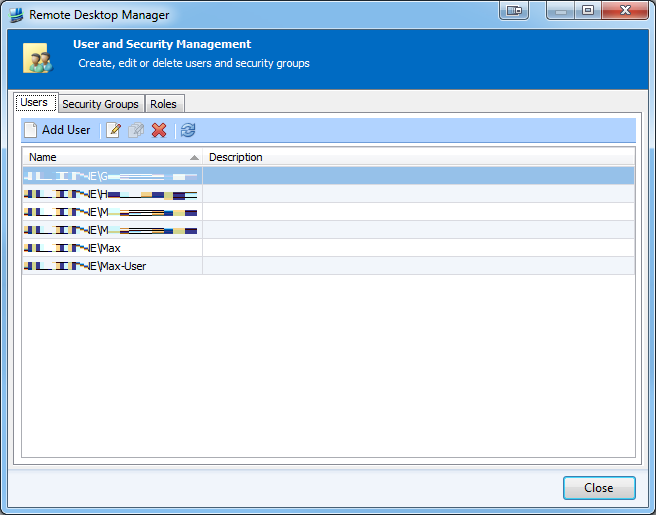
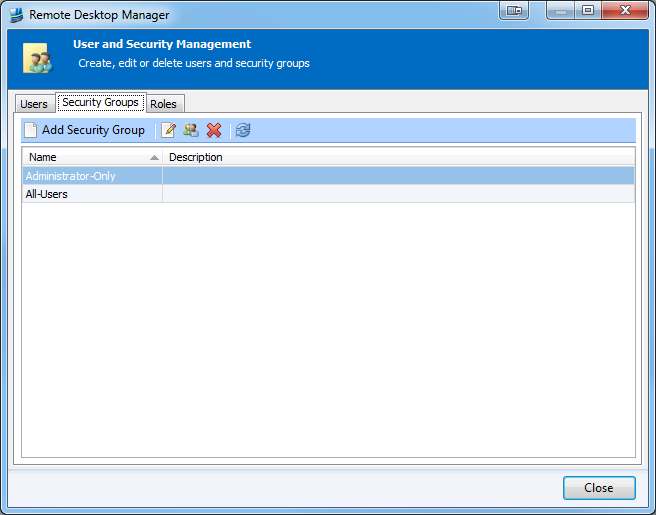
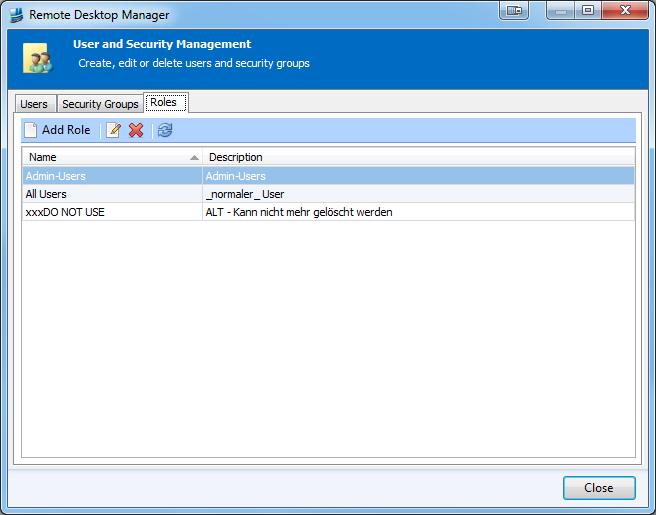
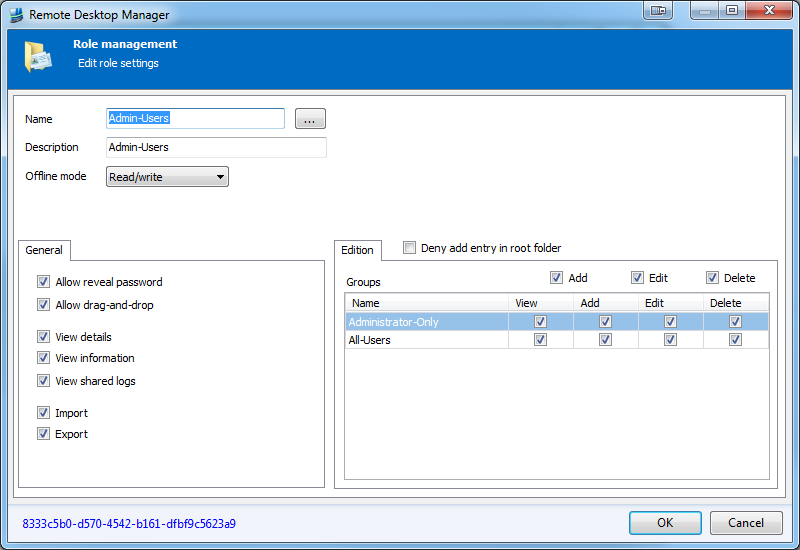
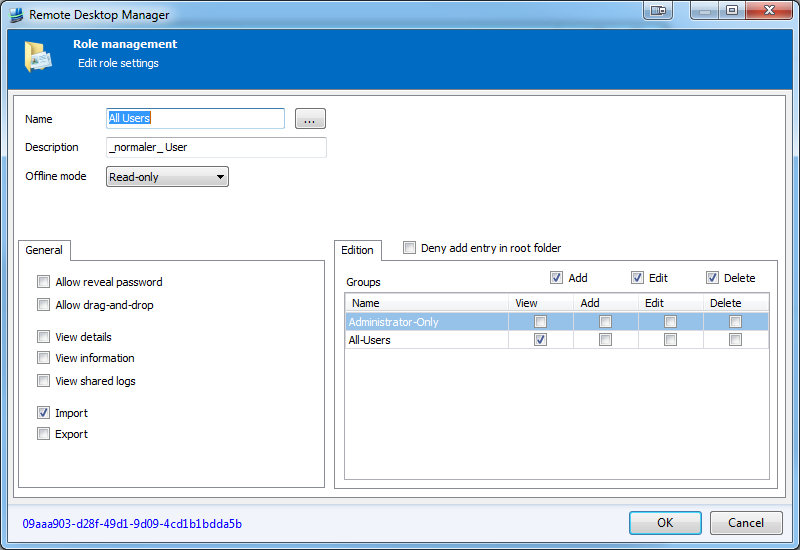
Here are some pictures to show how i do it:
The user "Max-User" is only able to see groups that are in the security group All-Users. But he is not able to manage his Private Fault. How can i accomplish this?
Greetings
Max
rdm-private-5.png
rdm-private-4.png
rdm-private-3.png
rdm-private-2.png
rdm-private-1.png
All Comments (4)
Hi
What do you mean by manage?
We do require the import/export permission to copy/paste
Creating information in the Private Vault requires the basic edit permission which you user already has.
Please describe what is the action being blocked
Thanks
Maurice
i see. There is a difference in the rights you can give.
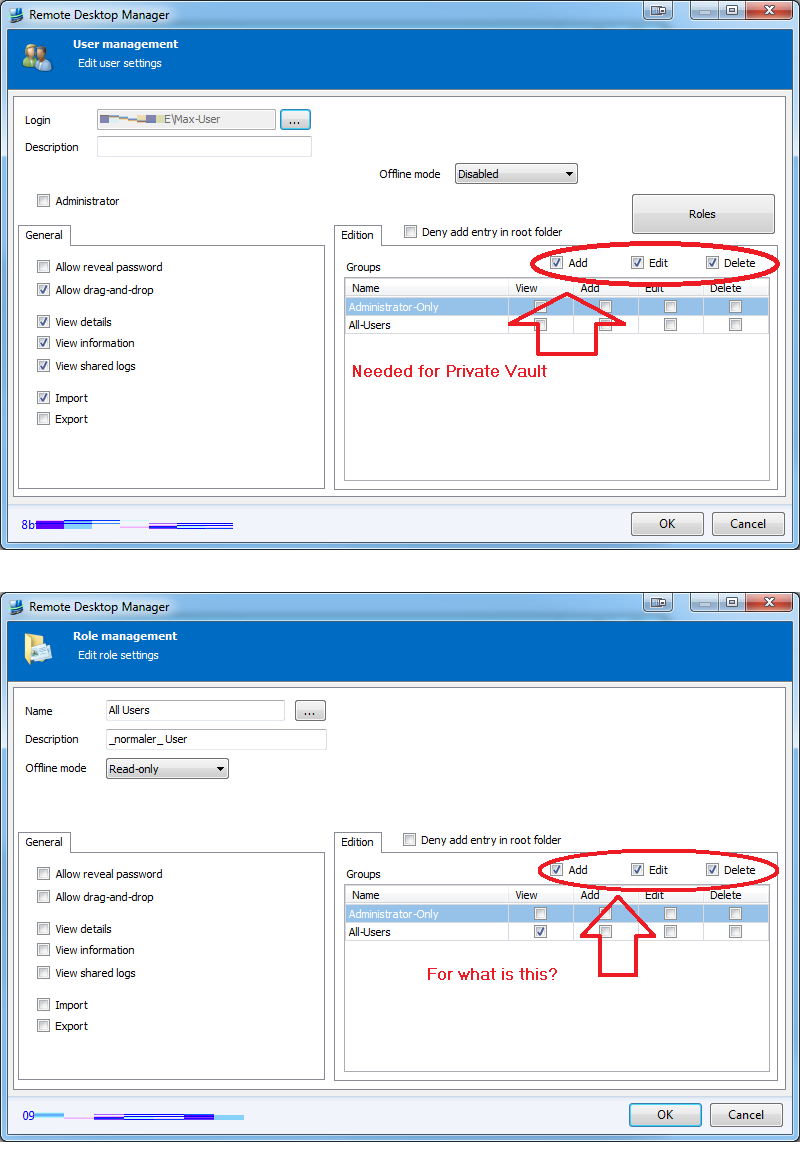
The user needed the rights (ADD|EDIT|DELETE) in himself. The rights where not inheritat from the role who he is in.
I hope this will explain more:
- To me it is not clear for what the (ADD|EDIT|DELETE) in an role is?
- The Tab name "Edition" doesn't make sense to me. Maybe this should be "Roles"?
rdm-private-7.png
Hi
The permissions at the top of the grid are for UNSECURED folders (I am rewriting the help about this because it wasn't clear)
This means that any folder without a security group would use these permissions.
I assume that you had assigned the role _normaler_users to the Max user account
This means that when it merged the permissions from the user account, with the ones from the role(s) he's assigned to, it took the most strict permission which means the permission was removed. I will test this and get back to you.
As for the tab, wouldn't "permissions" be clearer?
Maurice
So I've confirmed (using File->My data source information) that the system reports that the user does not have the basic permissions, even though the role does have them.
I will need to discuss this with David.
For now you would have to grant the permissions to each user individually because permissions assigned to roles only use the content of the permissions towards specific security groups.
Maurice